
Exploring the psychology behind casino gambling
The Allure of Risk and Reward
The psychology of gambling is deeply intertwined with the concepts of risk and reward. For many individuals, the excitement of placing a bet and waiting for the outcome ignites a surge of adrenaline, akin to the highs experienced in extreme sports. This sensation of anticipation is a critical element that keeps players engaged, as the prospect of winning, such as when enjoying the best online pokies , can often overshadow the understanding of potential losses. This dynamic creates an environment where the thrill of the gamble becomes an irresistible draw, leading individuals to partake in activities that may not align with their rational financial decision-making processes.
Moreover, the phenomenon known as the “near-miss effect” plays a significant role in the psychology of gambling. This occurs when players experience an outcome that is close to winning, which can reinforce their desire to keep playing. For instance, if a gambler spins a slot machine and sees two out of three symbols align, the feeling of being so close to a win can trigger a compulsive urge to play again. This psychological state of “almost winning” can lead to a cycle where individuals feel convinced that a successful outcome is just around the corner, thus perpetuating their gambling behaviors. The constant reinforcement of these near-wins can create a compelling narrative that keeps players returning for more.
Ultimately, the combination of emotional highs and the chase for a big win creates an intoxicating environment that can lead to risky behaviors. Gamblers may find themselves in an endless loop of seeking the euphoric feelings associated with potential victories, often at the expense of their financial stability. This need for stimulation can overshadow rational decision-making, establishing a dynamic deeply rooted in psychological principles such as operant conditioning and cognitive biases that influence how we evaluate risk versus reward.
Illusions of Control and Superstitions
In the realm of casino gambling, many players cultivate a sense of agency over their outcomes, despite the inherent randomness of these games. This phenomenon, known as the “illusion of control,” leads individuals to believe that their skills or actions can influence the results of random events. For example, a poker player might feel that their ability to read an opponent’s body language can sway the outcome of a hand, even though the odds are fundamentally based on chance. This belief can bolster a gambler’s confidence and prolong their engagement with the game, often leading them to overlook the statistical realities that govern these activities.
Superstitions also play a pivotal role in influencing gambling behavior. Many individuals have specific rituals, habits, or lucky items they associate with successful play. This can include anything from wearing a favorite shirt to performing a particular gesture before placing a bet. Such beliefs provide a psychological comfort, easing anxiety and enhancing the overall experience of gambling. The reliance on these superstitions reveals the human tendency to seek patterns and meaning, even in scenarios governed by chance, which can further entrench players in their gambling habits.
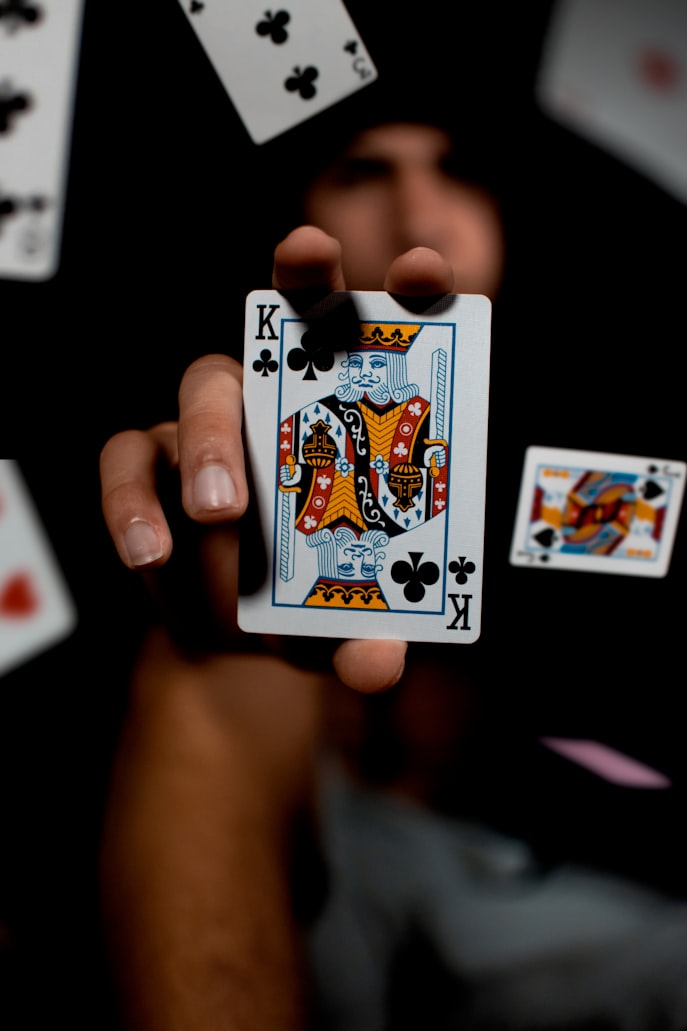
The interplay between the illusion of control and superstitions can lead to an increase in gambling activity. When a player wins after performing a specific ritual, it reinforces their belief in the efficacy of that behavior, encouraging them to repeat it in future games. This cyclical reinforcement can be problematic, as individuals may increasingly rely on their perceived control over outcomes rather than acknowledging the inherent randomness of casino games. Such beliefs can escalate into problematic gambling behaviors, as the player becomes more entrenched in their rituals and superstitions.
The Impact of Environment and Design
The design of casino environments is a crucial factor that enhances the gambling experience. Elements such as lighting, sound, and layout are meticulously crafted to create a stimulating atmosphere that encourages prolonged play. For instance, the use of bright lights and engaging sounds in slot machines is intentional, as these features celebrate wins, no matter how small. This design taps into the brain’s reward system, producing dopamine—a neurotransmitter linked to pleasure—every time a player wins, thus making losses feel less impactful. The immersive ambiance can lead to a suspension of reality, causing players to lose track of time and money spent, which can contribute to compulsive gambling behaviors.
Additionally, the psychology of rewards extends to how games are structured. For example, slot machines often offer near-miss outcomes that keep players engaged. The thrill of feeling close to winning can compel players to continue playing, even when they are losing overall. This phenomenon, known as the “gamblers’ fallacy,” occurs when players misinterpret the nature of chance, believing that past outcomes can influence future results. This flawed reasoning can lead to increased gambling activity, as players chase losses with the hope of reversing their fortunes.
Moreover, casinos employ tactics such as offering complimentary drinks and entertainment to extend the duration of play among patrons. This strategic approach creates an environment where players feel valued and cared for, further immersing them in the gambling experience. The cumulative effect of these design elements results in an environment that continuously reinforces gambling behavior, making it challenging for individuals to disengage, even in the face of potential financial consequences. Such carefully orchestrated settings highlight the profound influence of environmental factors in shaping gambling behavior.
The Role of Social Dynamics
Gambling is not solely an individual experience; it often involves social interactions that significantly influence players’ behaviors. The presence of fellow gamblers can enhance the excitement of the game, transforming it into a communal activity. This social dynamic is particularly pronounced in games such as poker or blackjack, where players not only compete against the house but also against each other. The camaraderie and competition fostered in these settings can create a heightened sense of enjoyment, drawing individuals further into the gambling experience.
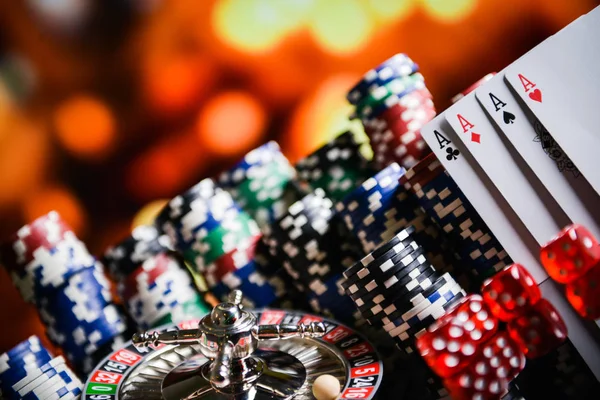
Additionally, peer pressure and social validation can compel individuals to gamble beyond their comfort levels. When individuals observe their friends or acquaintances winning, it may instill a desire to conform to the group’s behaviors, leading to increased gambling activities. Social media has exacerbated this trend, as individuals share their gambling successes and experiences online, potentially encouraging others to engage in similar behavior. The visibility of gambling wins can create a perception that success is more attainable than it actually is, further fueling the desire to gamble.
However, social dynamics can also lead to negative consequences. A desire to impress friends or fit in can result in reckless spending or gambling beyond one’s means. The influence of the social environment underscores the complexity of gambling behavior, revealing that individual choices are often intertwined with broader social interactions and expectations. This interplay can create a cycle of behavior that is difficult to break, as individuals may prioritize social approval over responsible financial decision-making.
Understanding Responsible Gambling and Resources
As the psychology of gambling unfolds, understanding the need for responsible gambling becomes paramount. Individuals must recognize their limits and engage in gambling as a form of entertainment rather than a means to achieve financial gain. Education and awareness about the psychological mechanisms driving gambling behavior are essential in cultivating a responsible approach to casino gaming. Understanding the dynamics of risk versus reward can empower individuals to make informed choices, ensuring that gambling remains a pleasurable pastime instead of a detrimental habit.
Numerous resources and organizations are dedicated to promoting responsible gambling practices. These initiatives aim to provide support, information, and guidance to individuals who may be struggling with gambling-related issues. Access to counseling, helplines, and educational materials can empower gamblers to make informed choices and foster healthier relationships with gaming activities. Creating awareness around responsible gambling practices is crucial in mitigating the risks associated with excessive gambling behaviors.
Ultimately, fostering a culture of responsible gambling enriches the individual experience and contributes to the overall integrity of the gaming industry. Encouraging awareness and promoting resources allows players to enjoy the thrill of gambling while minimizing potential risks to their well-being. This balanced approach ensures that the psychological aspects of gambling are addressed, paving the way for a more positive recreational experience that respects both the excitement of the game and the necessity for responsible engagement.